Addiction is often perceived as an individual struggle, but it profoundly impacts the entire family. Family-focused interventions recognize the critical role that families play in both the development and recovery of substance use disorders. These interventions aim to engage and educate family members, fostering a supportive environment that strengthens the individual’s recovery journey. By addressing the family dynamics and involving loved ones in the treatment process, family-focused interventions can enhance the effectiveness of recovery efforts and promote long-term sobriety.
Understanding Family Dynamics in Addiction
Addiction can strain family relationships, leading to a cycle of dysfunction and stress that perpetuates the substance use disorder. Family members may develop unhealthy coping mechanisms, such as enabling behaviors or codependency, which inadvertently support the addiction. These dynamics create a toxic environment that hinders recovery and exacerbates the emotional and psychological toll on everyone involved.
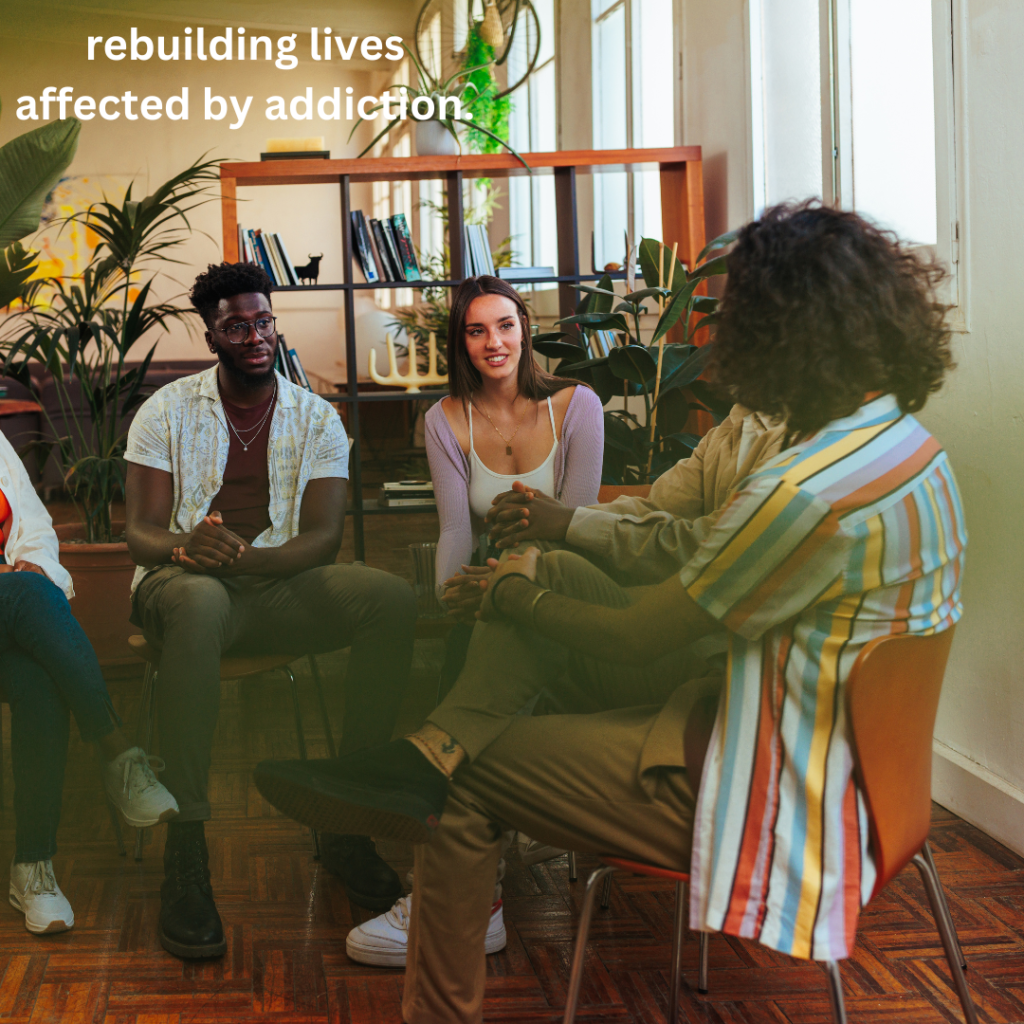
Family-focused interventions aim to break this cycle by addressing the underlying issues within the family unit. These interventions involve therapy sessions that include the individual struggling with addiction and their family members. By fostering open communication and mutual understanding, families can begin to heal and work together towards recovery.
Key Components of Family-Focused Interventions
- Education and Awareness: Educating family members about addiction and its effects is a cornerstone of family-focused interventions. Understanding the nature of addiction helps dispel myths and reduces stigma, enabling family members to provide more informed and compassionate support. Education also empowers families with knowledge about the recovery process, the importance of treatment, and how they can actively contribute to their loved one’s sobriety.
- Therapeutic Support: Family therapy sessions are designed to improve communication, resolve conflicts, and rebuild trust. Therapists guide families through discussions about the impact of addiction, encouraging honest and empathetic dialogue. These sessions help identify and address dysfunctional patterns within the family, promoting healthier interactions and strengthening emotional bonds.
- Developing Healthy Boundaries: Establishing and maintaining healthy boundaries is crucial in family-focused interventions. Families learn how to differentiate between supportive behaviors and enabling behaviors. By setting clear boundaries, family members can support their loved one’s recovery without compromising their own well-being.
- Coping Strategies: Addiction affects everyone in the family, often leading to emotional distress and burnout. Family-focused interventions provide coping strategies to help family members manage their own stress and emotions. Techniques such as mindfulness, stress management, and self-care are emphasized to ensure that family members remain resilient and capable of providing support.
- Ongoing Support: Recovery is an ongoing process, and continuous support is essential. Family-focused interventions often include follow-up sessions and support groups for families. These resources provide a platform for families to share their experiences, gain insights, and receive encouragement from others facing similar challenges.
Benefits of Family-Focused Interventions
- Enhanced Recovery Outcomes: Studies have shown that involving family members in the recovery process leads to better treatment outcomes. Family support can significantly reduce the risk of relapse and increase the likelihood of sustained sobriety.
- Improved Family Relationships: Family-focused interventions help mend strained relationships and foster a sense of unity and cooperation. Improved communication and understanding can lead to stronger, healthier family bonds.
- Empowerment and Resilience: Families equipped with knowledge and coping strategies are better prepared to handle the challenges of addiction and recovery. This empowerment enhances their resilience and ability to support their loved one’s journey.
Family-focused interventions are a vital component of effective addiction treatment. By addressing the family dynamics and involving loved ones in the recovery process, these interventions create a supportive environment that fosters healing and long-term sobriety. Strengthening family support networks not only enhances the individual’s recovery journey but also promotes overall family well-being. Investing in family-focused interventions is a powerful step towards achieving lasting recovery and rebuilding lives affected by addiction.
Leave a Reply