
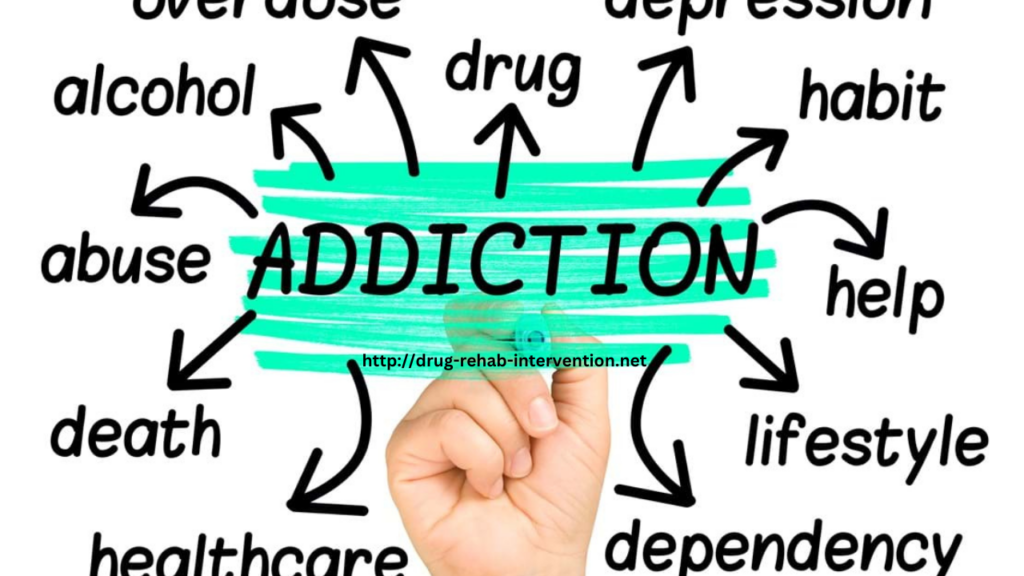
Addiction recovery is not a one-time event but a lifelong journey of healing and self-discovery. While short-term treatments provide initial relief, true and lasting recovery requires a comprehensive, long-term approach. Sustainable addiction recovery integrates medical, psychological, social, and lifestyle changes, ensuring individuals not only overcome substance use but also rebuild fulfilling lives. By exploring effective strategies for long-term recovery, we can better support individuals in their journey to renewal.
Understanding Long-Term Recovery
Long-term addiction recovery extends beyond detox and rehabilitation. It involves sustained efforts to manage triggers, address underlying emotional and psychological factors, and build a solid support system. Many individuals experience setbacks, but with the right tools and strategies, they can achieve lasting sobriety.
Effective Approaches to Long-Term Recovery
1. Personalized Treatment Plans
Every individual’s journey to recovery is unique, making personalized treatment crucial. Factors such as co-occurring mental health disorders, personal history, and individual triggers should be considered when designing a recovery plan. Personalized approaches may include a combination of therapy, medication-assisted treatment (MAT), and holistic interventions to enhance long-term success.
2. Ongoing Therapy and Counseling
Behavioral therapies such as Cognitive Behavioral Therapy (CBT) and Dialectical Behavior Therapy (DBT) help individuals develop coping strategies, address negative thought patterns, and improve emotional regulation. Regular counseling sessions provide continuous support, helping individuals navigate the challenges of sustained recovery.
3. Building a Strong Support Network
Social connections play a vital role in long-term recovery. Support groups like Alcoholics Anonymous (AA), Narcotics Anonymous (NA), or SMART Recovery provide community support and accountability. Additionally, family therapy and peer mentorship programs can reinforce positive behavioral changes, offering individuals the encouragement they need to stay committed to sobriety.
4. Addressing Underlying Trauma and Mental Health
Many individuals struggling with addiction have a history of trauma or co-occurring mental health disorders such as anxiety, depression, or PTSD. Trauma-informed care ensures that individuals receive compassionate treatment tailored to their specific emotional needs. Dual-diagnosis treatment programs integrate mental health support with addiction recovery, increasing the likelihood of long-term success.
5. Adopting a Healthy Lifestyle
Physical health is deeply connected to emotional and psychological well-being. Engaging in regular exercise, maintaining a balanced diet, and practicing mindfulness techniques such as meditation and yoga can reduce stress and improve overall resilience. These healthy habits support long-term recovery by promoting stability and self-care.
6. Developing Purpose and Meaning
Finding purpose beyond addiction is key to sustained recovery. Individuals who engage in meaningful activities, such as volunteering, pursuing education, or developing career goals, are more likely to maintain sobriety. Purpose-driven living provides motivation and fulfillment, reducing the risk of relapse.
Conclusion
Long-term addiction recovery requires a multi-faceted and individualized approach. Through personalized treatment, therapy, community support, trauma-informed care, healthy lifestyle choices, and meaningful engagement, individuals can achieve lasting sobriety. The road to renewal is not always easy, but with the right strategies and unwavering support, a fulfilling and addiction-free life is possible.
Leave a Reply